Heating, ventilation, and air conditioning systems are an important part of everyday life, especially in Florida, where air conditioning is used throughout much of the year. Homes, businesses, restaurants, offices, schools, and other facilities rely on HVAC systems to maintain comfortable indoor temperatures and proper airflow. Behind those systems are trained professionals who understand how to inspect equipment, identify problems, perform maintenance, and complete repairs.
For someone interested in working with their hands and learning practical technical skills, HVAC training can provide an introduction to the knowledge used throughout the heating and cooling industry. At American Vocational Academy, students can develop skills designed to help prepare them for opportunities in the HVAC field.
What Do Students Learn During HVAC Training?
HVAC work involves much more than simply knowing how to turn an air conditioner on and off. Modern systems contain electrical components, motors, controls, refrigerant circuits, ductwork, and other parts that must work together correctly.
HVAC training introduces students to the fundamentals behind these systems and helps them understand how different components operate. Depending on the program, training may cover areas such as electrical principles, heating and cooling equipment, refrigeration concepts, troubleshooting, maintenance procedures, and workplace safety.
Developing this foundation is important because HVAC technicians regularly encounter equipment with different designs, ages, and operating conditions.
Why Is Troubleshooting an Important HVAC Skill?
One of the most valuable abilities an HVAC technician can develop is troubleshooting.
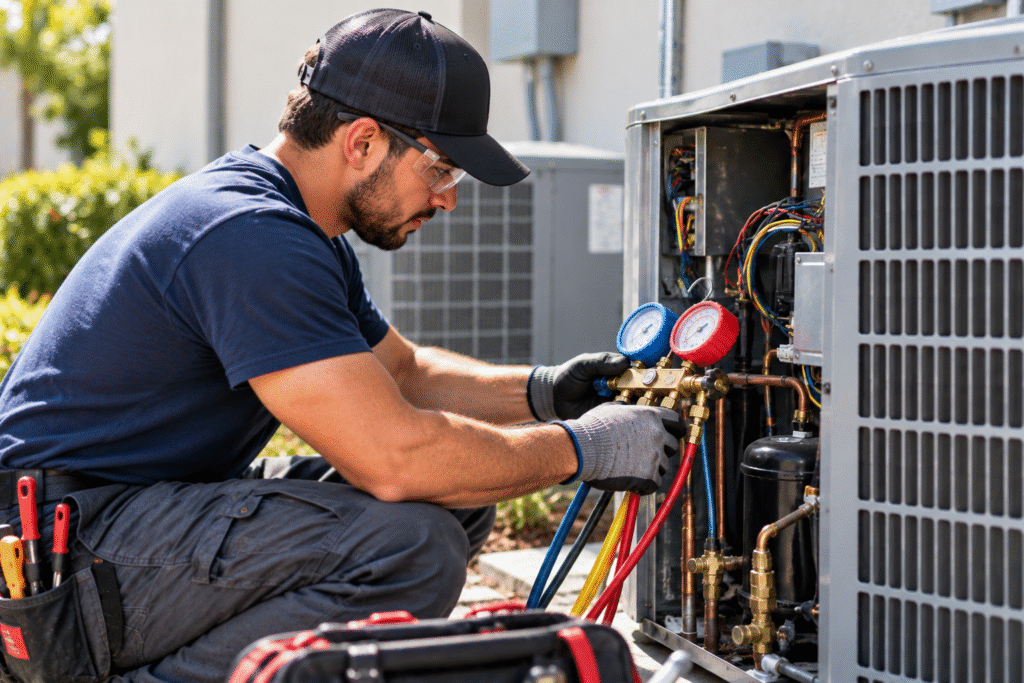
When an air conditioning system stops cooling properly, the cause is not always immediately obvious. A problem could involve an electrical component, thermostat, airflow restriction, refrigerant system, motor, or another part of the equipment.
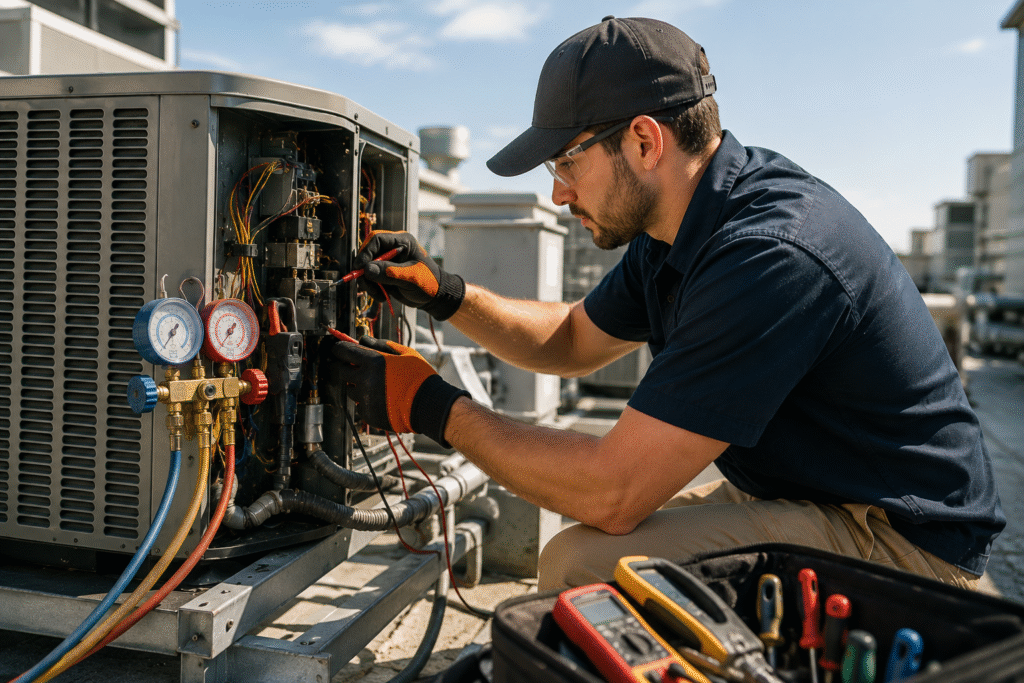
Technicians need to evaluate the symptoms, inspect the system, take appropriate measurements, and narrow down the possible causes.
HVAC training can introduce students to a systematic approach to diagnosing equipment rather than simply replacing parts and hoping the problem disappears. Learning how components interact can help future technicians better understand why a system is behaving a certain way.
Does HVAC Training Include Electrical Skills?
Electrical knowledge is an important part of HVAC work because heating and cooling equipment depends on electrical systems and controls.
Students may learn basic electrical concepts and how various electrical components relate to HVAC equipment. Understanding electrical safety is particularly important because technicians may work around energized equipment while performing inspections, maintenance, or repairs.
Building familiarity with these concepts during training gives students an opportunity to practice in an educational environment before applying their knowledge in the workplace.
Why Is Hands-On HVAC Training Valuable?
Reading about an HVAC system and physically working with equipment are two very different experiences.
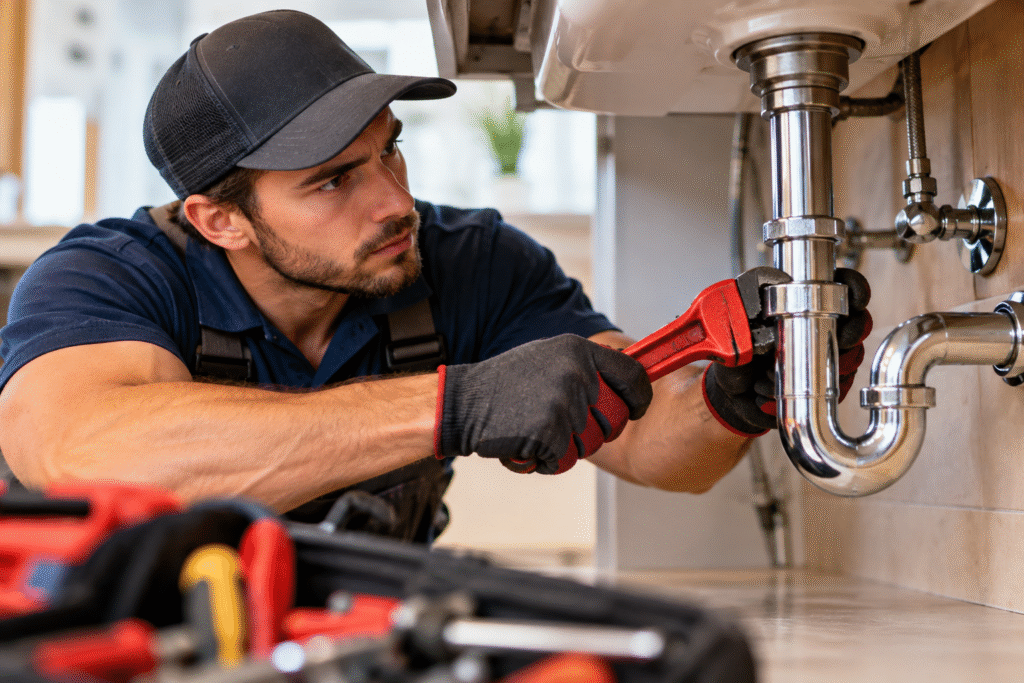
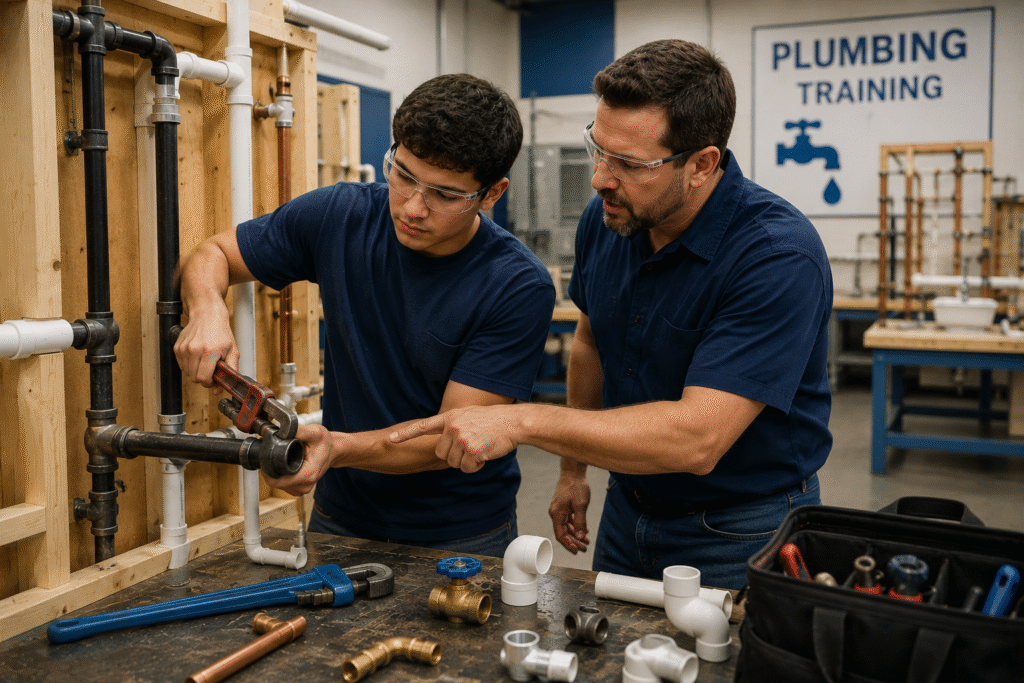
Hands-on training gives students an opportunity to connect classroom concepts with practical applications. Seeing components, using tools, taking measurements, and practicing procedures can make technical concepts easier to understand.
This type of learning can be particularly helpful for students who prefer active, hands-on education rather than spending all of their time sitting in a traditional classroom.
It can also help students become more comfortable with tools and equipment they may encounter as they begin pursuing opportunities in the HVAC industry.
What Role Does Preventive Maintenance Play in HVAC Work?
Not every HVAC service call involves broken equipment. Preventive maintenance is another important part of the industry.
HVAC systems require routine inspections and maintenance to continue operating effectively. Technicians may check electrical components, inspect equipment, evaluate airflow, clean certain components, and look for signs of wear or potential problems.
In Florida, where cooling systems may operate for extended periods throughout the year, understanding routine HVAC maintenance is particularly relevant.
Training can help students understand what to look for during an inspection and why regular maintenance matters for the overall operation of heating and cooling equipment.
Is HVAC Training Only About Air Conditioning?
Air conditioning may receive plenty of attention in Florida, but HVAC stands for heating, ventilation, and air conditioning.
The field can involve several types of equipment and systems used to control temperature, airflow, and indoor comfort. Learning HVAC fundamentals can expose students to a broader understanding of how these systems operate rather than focusing exclusively on residential air conditioners.
Technicians may eventually work in residential, commercial, maintenance, installation, or service environments depending on their training, experience, qualifications, and career path.
Who Should Consider HVAC Training?
HVAC training may appeal to people who enjoy solving problems, working with tools, understanding how mechanical systems operate, and performing work that changes from one job to another.
It can also be an option for individuals who prefer learning a skilled trade instead of pursuing a traditional four-year college path.
Success in HVAC requires more than technical knowledge. Technicians may also interact directly with homeowners, property managers, business owners, and other customers. Communication, professionalism, attention to detail, and a willingness to continue learning can all be valuable qualities in the field.
Start Developing HVAC Skills at American Vocational Academy
Entering the HVAC industry begins with learning the fundamentals.
American Vocational Academy provides HVAC training designed to introduce students to technical concepts and practical skills relevant to heating, ventilation, air conditioning, and refrigeration work. Through training and hands-on learning, students can begin building the foundation needed to pursue opportunities within the industry.
If you are interested in learning a skilled trade and want to explore HVAC training in Florida, American Vocational Academy can help you take the next step.
Visit American Vocational Academy to learn more about HVAC training, program information, and enrollment.
What Skills Can You Learn in HVAC Training to Prepare for a Hands-On Career?
Heating, ventilation, and air conditioning systems are an important part of everyday life, especially in Florida, where air conditioning is used throughout much of the year. Homes, businesses, restaurants, offices, schools, and other facilities rely on HVAC systems to maintain comfortable indoor temperatures and proper airflow. Behind those systems are trained professionals who understand how to inspect equipment, identify problems, perform maintenance, and complete repairs.
For someone interested in working with their hands and learning practical technical skills, HVAC training can provide an introduction to the knowledge used throughout the heating and cooling industry. At American Vocational Academy, students can develop skills designed to help prepare them for opportunities in the HVAC field.
What Do Students Learn During HVAC Training?
HVAC work involves much more than simply knowing how to turn an air conditioner on and off. Modern systems contain electrical components, motors, controls, refrigerant circuits, ductwork, and other parts that must work together correctly.
HVAC training introduces students to the fundamentals behind these systems and helps them understand how different components operate. Depending on the program, training may cover areas such as electrical principles, heating and cooling equipment, refrigeration concepts, troubleshooting, maintenance procedures, and workplace safety.
Developing this foundation is important because HVAC technicians regularly encounter equipment with different designs, ages, and operating conditions.
Why Is Troubleshooting an Important HVAC Skill?
One of the most valuable abilities an HVAC technician can develop is troubleshooting.
When an air conditioning system stops cooling properly, the cause is not always immediately obvious. A problem could involve an electrical component, thermostat, airflow restriction, refrigerant system, motor, or another part of the equipment.
Technicians need to evaluate the symptoms, inspect the system, take appropriate measurements, and narrow down the possible causes.
HVAC training can introduce students to a systematic approach to diagnosing equipment rather than simply replacing parts and hoping the problem disappears. Learning how components interact can help future technicians better understand why a system is behaving a certain way.
Does HVAC Training Include Electrical Skills?
Electrical knowledge is an important part of HVAC work because heating and cooling equipment depends on electrical systems and controls.
Students may learn basic electrical concepts and how various electrical components relate to HVAC equipment. Understanding electrical safety is particularly important because technicians may work around energized equipment while performing inspections, maintenance, or repairs.
Building familiarity with these concepts during training gives students an opportunity to practice in an educational environment before applying their knowledge in the workplace.
Why Is Hands-On HVAC Training Valuable?
Reading about an HVAC system and physically working with equipment are two very different experiences.
Hands-on training gives students an opportunity to connect classroom concepts with practical applications. Seeing components, using tools, taking measurements, and practicing procedures can make technical concepts easier to understand.
This type of learning can be particularly helpful for students who prefer active, hands-on education rather than spending all of their time sitting in a traditional classroom.
It can also help students become more comfortable with tools and equipment they may encounter as they begin pursuing opportunities in the HVAC industry.
What Role Does Preventive Maintenance Play in HVAC Work?
Not every HVAC service call involves broken equipment. Preventive maintenance is another important part of the industry.
HVAC systems require routine inspections and maintenance to continue operating effectively. Technicians may check electrical components, inspect equipment, evaluate airflow, clean certain components, and look for signs of wear or potential problems.
In Florida, where cooling systems may operate for extended periods throughout the year, understanding routine HVAC maintenance is particularly relevant.
Training can help students understand what to look for during an inspection and why regular maintenance matters for the overall operation of heating and cooling equipment.
Is HVAC Training Only About Air Conditioning?
Air conditioning may receive plenty of attention in Florida, but HVAC stands for heating, ventilation, and air conditioning.
The field can involve several types of equipment and systems used to control temperature, airflow, and indoor comfort. Learning HVAC fundamentals can expose students to a broader understanding of how these systems operate rather than focusing exclusively on residential air conditioners.
Technicians may eventually work in residential, commercial, maintenance, installation, or service environments depending on their training, experience, qualifications, and career path.
Who Should Consider HVAC Training?
HVAC training may appeal to people who enjoy solving problems, working with tools, understanding how mechanical systems operate, and performing work that changes from one job to another.
It can also be an option for individuals who prefer learning a skilled trade instead of pursuing a traditional four-year college path.
Success in HVAC requires more than technical knowledge. Technicians may also interact directly with homeowners, property managers, business owners, and other customers. Communication, professionalism, attention to detail, and a willingness to continue learning can all be valuable qualities in the field.
Start Developing HVAC Skills at American Vocational Academy
Entering the HVAC industry begins with learning the fundamentals.
American Vocational Academy provides HVAC training designed to introduce students to technical concepts and practical skills relevant to heating, ventilation, air conditioning, and refrigeration work. Through training and hands-on learning, students can begin building the foundation needed to pursue opportunities within the industry.
If you are interested in learning a skilled trade and want to explore HVAC training in Florida, American Vocational Academy can help you take the next step.
Visit American Vocational Academy to learn more about HVAC training, program information, and enrollment.